

Narrabeen Lake Rebuild Moves Forward After Years Without Clubhouse

For years, the edge of Narrabeen Lake at Jamieson Park has carried the absence of what was lost in the November 2021 fire. Now, with DA2026/0489 lodged for a new Jamieson Park Sports Amenities Building, the long-running push to restore the site has moved into its next stage.


A New Step for Narrabeen Lake

The proposed rebuild would replace the former amenities building destroyed in the fire and create a new facility for lake users, clubs and the wider community.

The development application was lodged in April 2026 and is open for public comment from 11 May to 8 June 2026. The plans are still subject to assessment and approval, meaning the rebuild has not yet been confirmed.

For Narrabeen Lakes Sailing Club, the proposal carries particular weight. The club lost its clubhouse in the fire, along with boats, equipment and spare parts. Fourteen boats owned by the club were inside the building, along with another 10 boats belonging to members.

Narrabeen Lake rebuild
Photo Credit: NBC

Plans Shaped Around Lake Activity

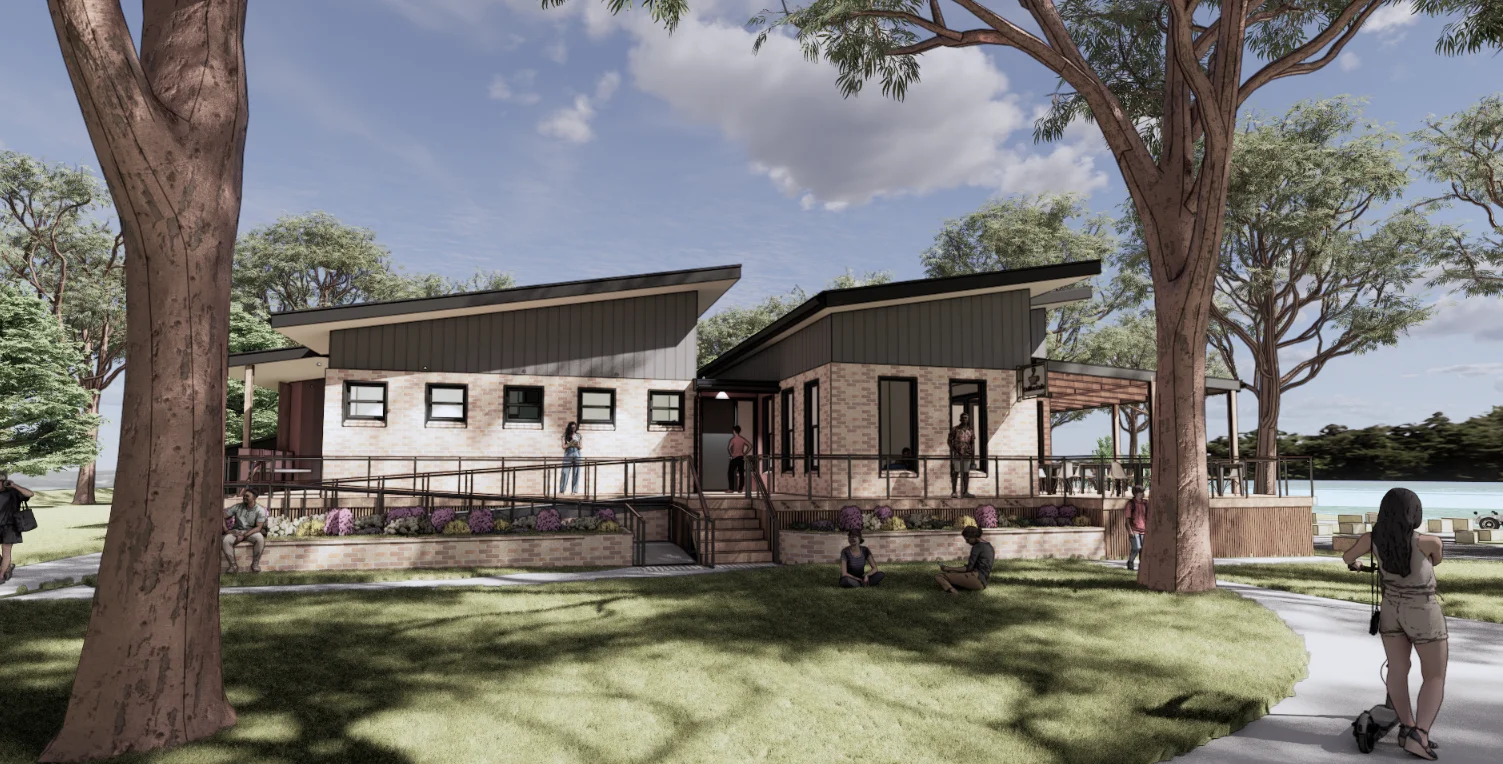
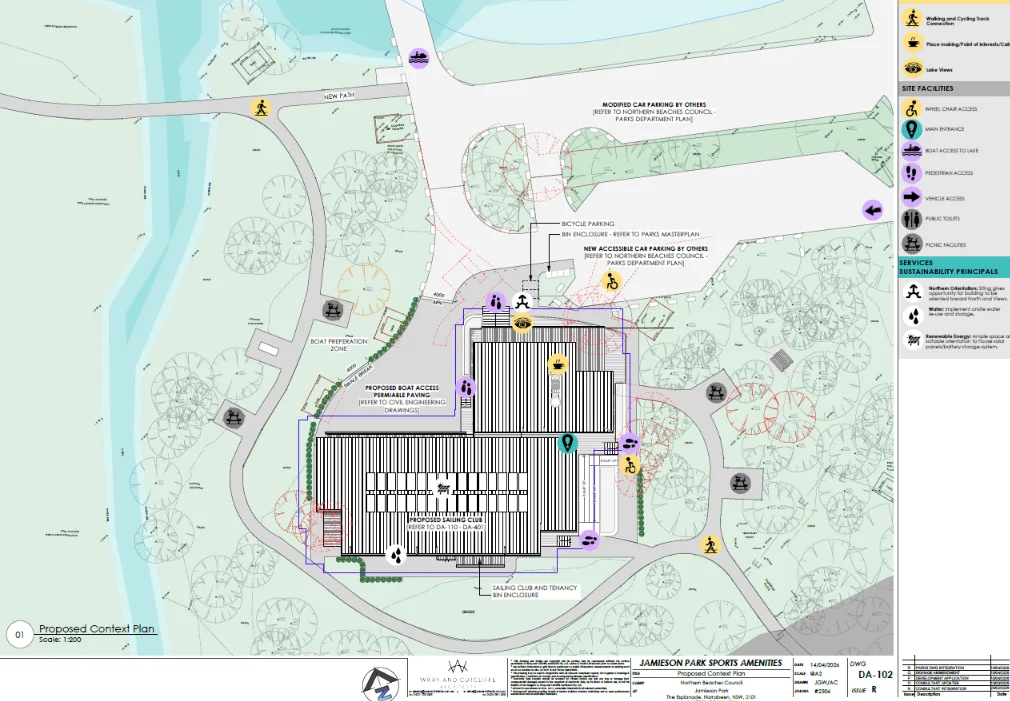
The updated design includes a cafe, water sport facilities, public amenities at the rear of the building and a meeting room for community and club use.

The proposed building would also provide boat storage and facilities for Narrabeen Lakes Sailing Club, as well as storage for model boats and dragon boats.

The design follows several stages of consultation and planning. Initial input was gathered between August and December 2022, followed by a design brief and needs analysis in early 2023. Concept design options were later developed and reviewed before the development application was lodged.

During Stage 2 consultation, 110 participants gave feedback between 3 April and 12 May 2024. More than 80 per cent of respondents supported the design.
Narrabeen Lakes Sailing Club
Photo Credit: NBC

Accessibility and Sustainability In The Design

The proposed Jamieson Park facility includes accessible toilets, accessible showers, compliant access ramps and wheelchair-friendly features. These elements are intended to make the site easier to use for people with disability or limited mobility.

The plans also include solar panels, rainwater reuse and passive design features to help reduce energy use. The design takes account of the Narrabeen Lake setting and surrounding flora and fauna.
community facility
Photo Credit: NBC

A Possible Return After The Fire

The project remains at the application stage. If approved, construction is anticipated to begin in late 2027, with completion expected in 2028, subject to unforeseen circumstances.


For the sailing club, the proposal offers a possible path back to a clubhouse after years without one. For the wider community, it would restore and update a lakefront facility used by clubs, water sport groups and visitors to Jamieson Park.

Published 14-May-2026
Fox Bait Release in Narrabeen

Over a thousand fox baits have been laid out in several reserves along Northern Beaches, including Jamieson Park and Deep Creek Reserve at Narrabeen, starting 25 February until 15 March 2019.

The Northern Beaches Council has an ongoing program of fox baiting in five different reserves, namely Manly Dam in Many Vale, Allenby Park in Allambie Heights, Middle Creek Reserve in Oxford Falls, and Jamieson Park and Deep Creek Reserve in Narrabeen.

This fox baiting program runs from 25 February until 15 March 2019. Please be advised that all reserves listed for fox baiting will be closed to household pets such as cats and dogs during baiting period and also 4 weeks post baiting, specifically until 12 April 2019.

Warning signs were put out on display to all the affected areas for  reminders and also to notify the public about the ongoing fox baiting program by the Council.

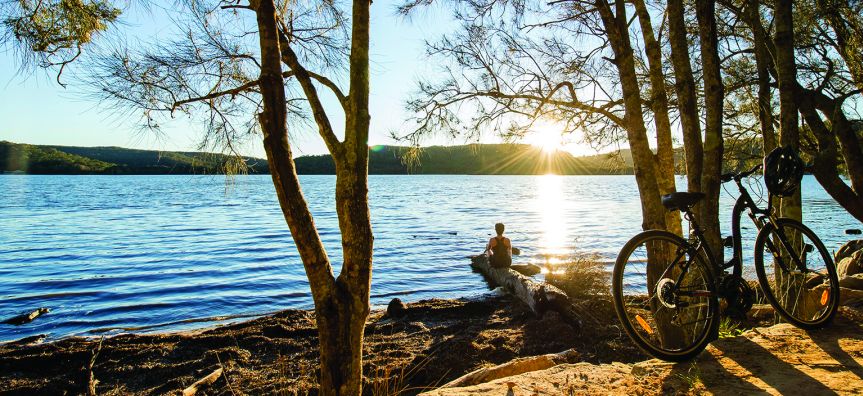
Jamieson Park
Jamieson Park
Photo credit: www.northernbeaches.nsw.gov.au
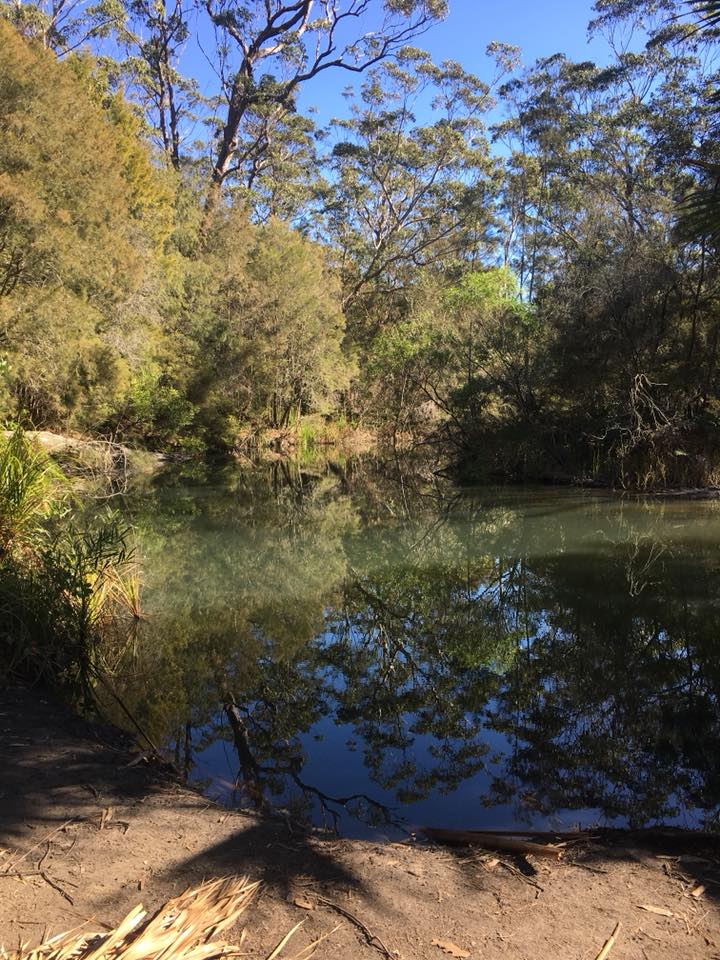
Deep Creek Reserve
Deep Creek Reserve
Photo credit: Mark Zambelli/ Facebook

The Fox Factor

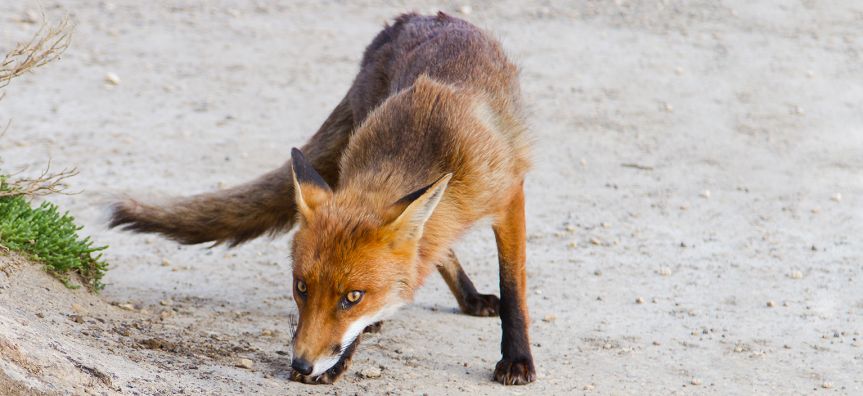
European red foxes (Vulpes vulpes) were first introduced in Australia during 1855 for recreational hunting. Since then, its population had expanded greatly in all states and territories of Australia except Tasmania.

Foxes are nocturnal, territorial, and naturally skilled hunters and scavengers. They are known to have a surplus killing behaviour, which means they may kill more prey than they can consume. They have also adapted well to urbanisation over the years. Today,  foxes are widely considered as pests for they pose a major threat to the survival of many species of animals.

Over the years, the increase of the population of foxes have  been observed to coincide with the regional extinctions of several species of wildlife including bettong, the greater bilby, numbat, bridled nail-tail wallaby and the quokka. At present, many of these species persist only on islands or areas of the mainland where foxes are rare or absent.

Foxes also threaten the livestock industry which includes poultry, lambs, and goats. And aside from its threat to the survival of animals, foxes may also pose a health risk to both household pets and humans through the transmission of diseases and parasites such as distemper, parvo virus, and mange.

Fox Control Programs

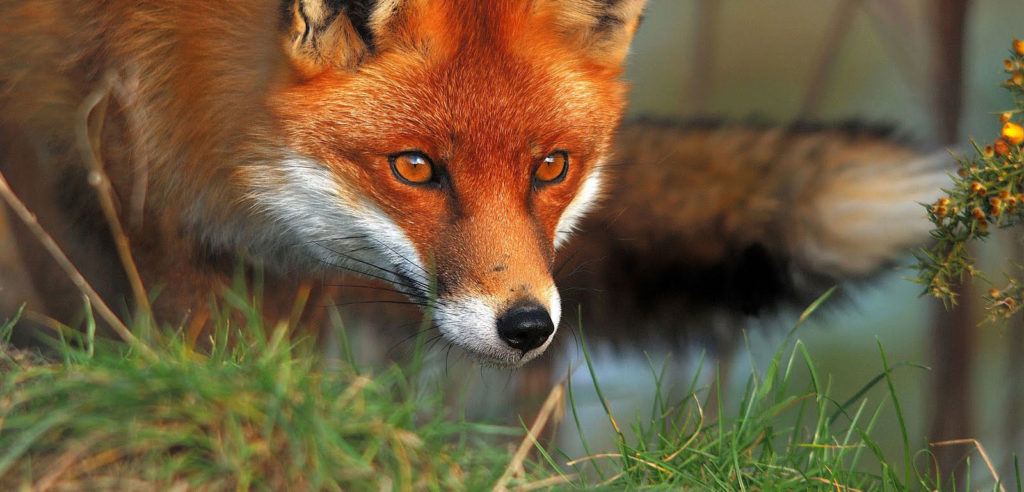
Red Fox
Photo credit: www.pestsmart.org.au

Fox control programs aim to control the expansion of foxes in order to protect native and domestic animals. More importantly, it strives to return native animals to their natural habitats where they were once considered locally extinct. Activities of the program include monitoring, baiting, having scientific surveys of native animals, and community notification.

Methods for controlling foxes include shooting, poisoning, trapping, fumigation, and fencing. However, fox baiting with 1080 poison is considered to be the most effective and also cost-effective method for controlling foxes.

1080 poison is made up of sodium monofluoroacetate, an organic salt that occurs naturally in a range of Australian plant species that is toxic to a broad range of animals including foxes and dogs.

All procedures for fox baiting must be done strictly in order to minimise the risk of other animals and domestic pets. Extra precautions must also be done by pet owners during fox baiting periods.

Click here to find out more about Fox control in New South Wales.