




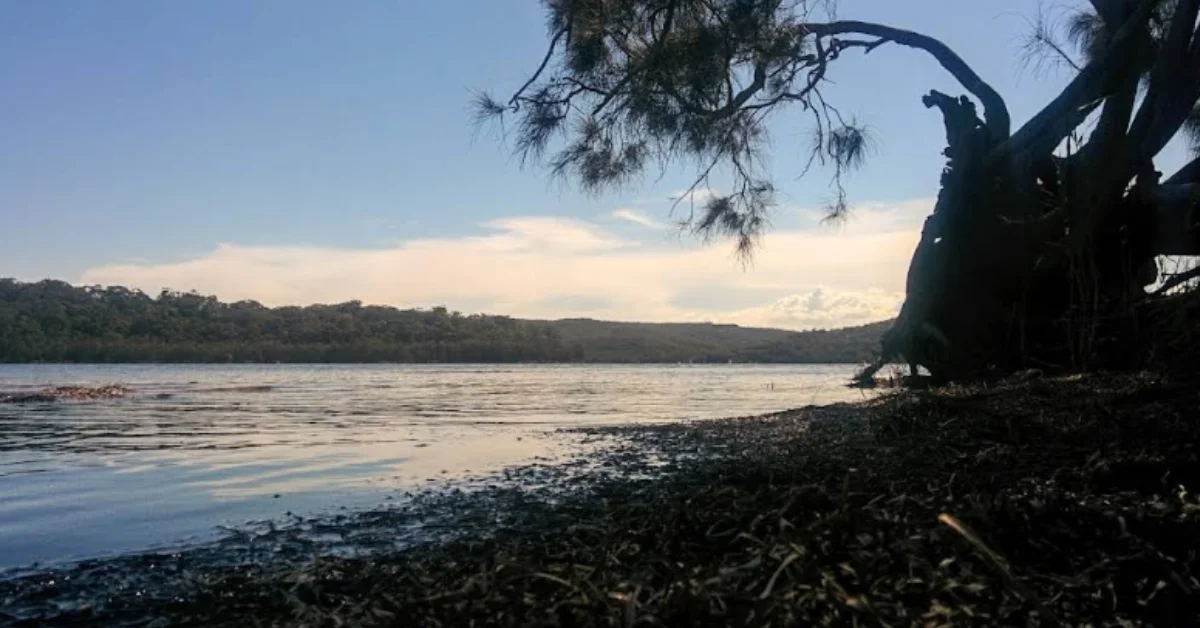
Residents across the Northern Beaches are being advised to take extra precautions against mosquitoes after Ross River Virus was detected in mosquitoes trapped at Narrabeen Lagoon.
Read: Narrabeen Lagoon Tip-off Stops Netting Of Hundreds Of Fish
Northern Beaches officials, in a media alert issued on 24 April 2026, said it works in partnership with NSW Health to monitor mosquito activity across the Northern Beaches, trapping mosquitoes at key wetland and lagoon locations to identify species numbers and test for viral infections. Monitoring traps are currently in place at Warriewood Wetlands and Deep Creek, near the Narrabeen Lagoon walking trail.
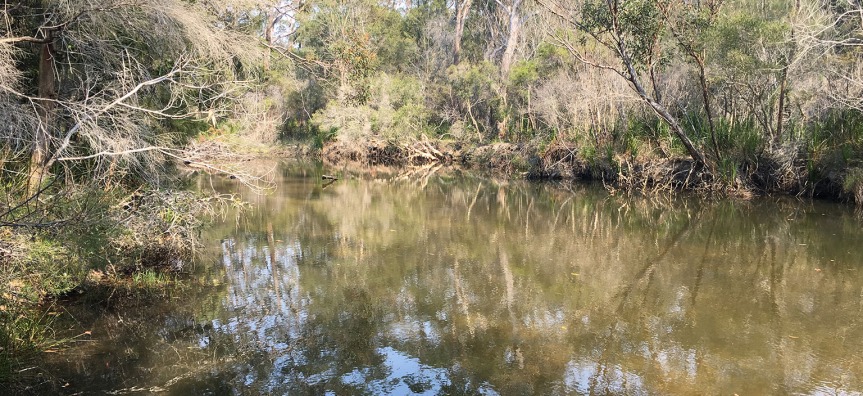
The area has recorded previous detections. In April 2020, council confirmed that Ross River Virus and Barmah Forest Virus were detected in mosquitoes collected at Deep Creek in late March of that year, with Ross River Virus also found in mosquitoes from the Warriewood Wetlands in early April.
What is Ross River Virus?
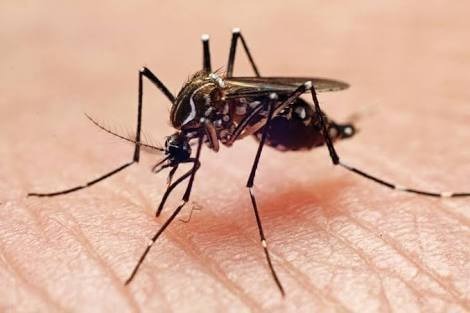
Ross River Virus is the most commonly reported mosquito-borne disease in Australia. The virus is spread by the bite of a mosquito, and about 40 different mosquito species have been implicated in its transmission.
While many people experience mild or no symptoms, some may develop a flu-like illness including fever, chills, headache, fatigue, and muscle and joint pain. Joint swelling and stiffness can occur, particularly in the morning, and some people may develop a rash on the body, arms or legs. Symptoms usually develop between seven and 10 days after being bitten by an infected mosquito.
The disease is not fatal but it can be severely debilitating, with thousands of Australians infected each year. There is currently no vaccine.
Mosquito researcher Dr Cameron Webb has previously noted that as coastal areas open up to urban development, people are living closer to wetlands than before, and those moving to such areas are not always fully aware of the health risks posed by mosquitoes. A 2019 study by Dr Webb on the dispersal of the saltmarsh mosquito found that the species can fly many kilometres from urban estuarine wetlands.
Read: Man Charged Over Alleged Chainsaw Threats on Narrabeen Lagoon Trail
How to protect yourself

Residents are encouraged to reduce their risk of mosquito bites by taking the following precautions:
- Wear long, loose-fitting clothing to minimise skin exposure
- Use an insect repellent containing DEET, picaridin or oil of lemon eucalyptus (OLE)
- Avoid outdoor activity during peak mosquito times at dawn and dusk
- Remove standing water around the home, including from containers, bird baths, children’s toys and pot plant trays, where mosquitoes can breed
For more information, visit the NSW Health Ross River Fever fact sheet or Northern Beaches’ Mosquito Management Plan.
Published 29-April-2026