




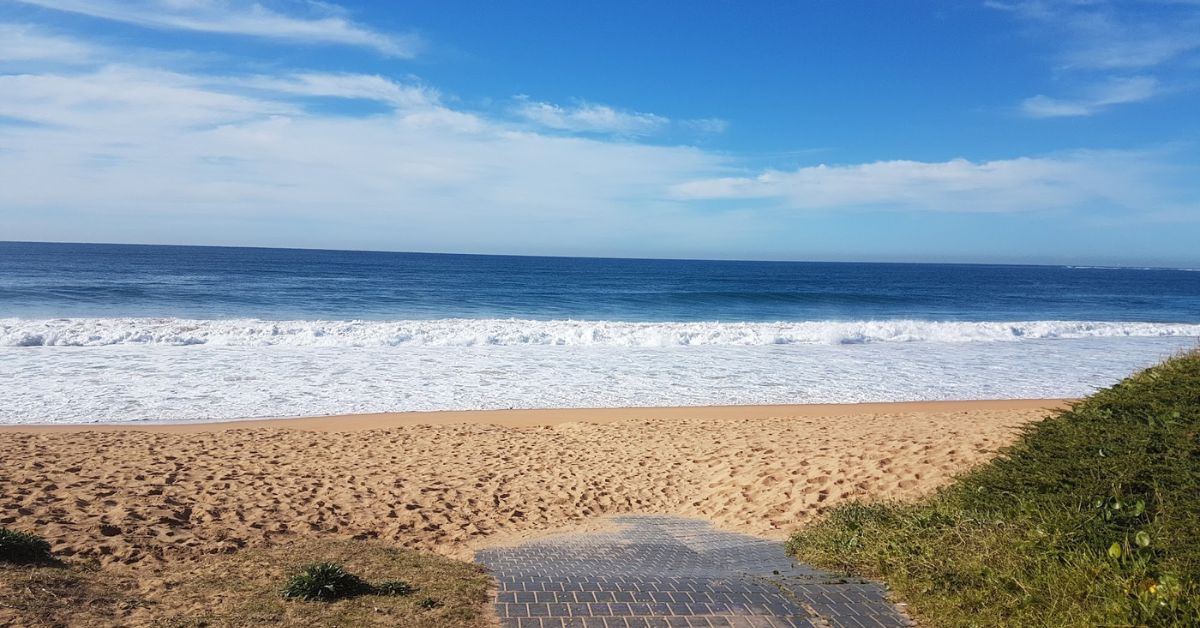
Surf Life Saving NSW established an exclusion zone at Narrabeen Beach after a dead seabird was found on the sand in front of the South Narrabeen Surf Life Saving Club, with the bird to be tested for H5N1 bird flu as confirmed cases spread closer to Sydney.
The bird has not yet been formally identified, but initial observations suggest it is likely a Little Black Cormorant, a nomadic social species common to coastal and wetland habitats across eastern Australia.
Australia’s H5N1 outbreak so far
Australia confirmed its first mainland detection of H5 bird flu on 14 June 2026, in a brown skua found at Esperance on Western Australia’s south coast.
As of 5 July, six cases have been confirmed by CSIRO’s Australian Centre for Disease Preparedness across three states: four in Western Australia, one in South Australia, and one in New South Wales.
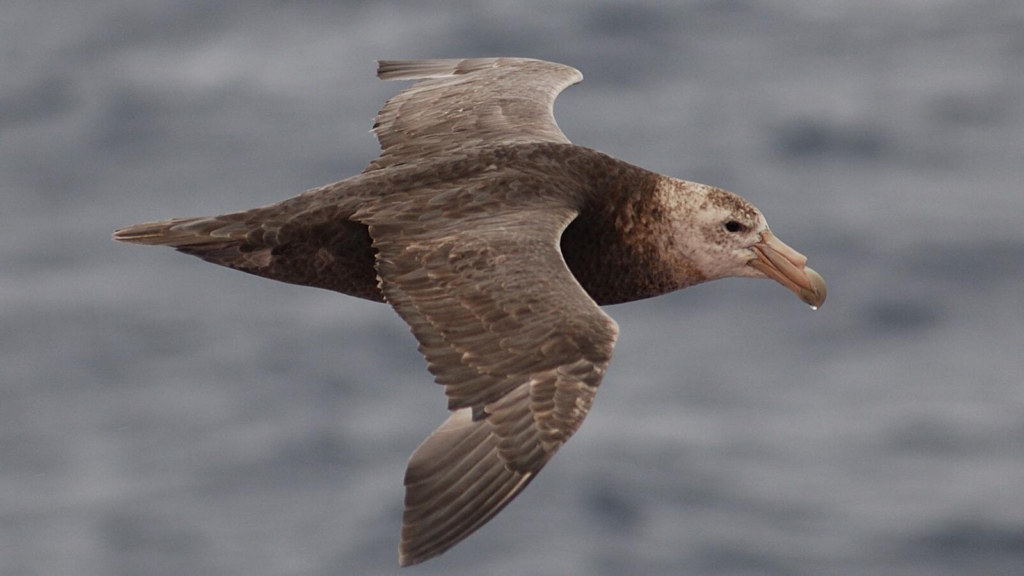
The NSW case — confirmed just the day before the Narrabeen find — involved a Giant Petrel found near Hawks Nest on the state’s Mid-North Coast.
Australia’s Chief Veterinary Officer Sam Hamilton confirmed there is no evidence of mass mortality events and no detections in poultry or the broader agricultural production system.
The significance of the find
The Little Black Cormorant is a social forager that feeds in flocks and rests in mixed colonies, behaviour that makes rapid transmission possible if a bird in a group has been in contact with an infected animal.
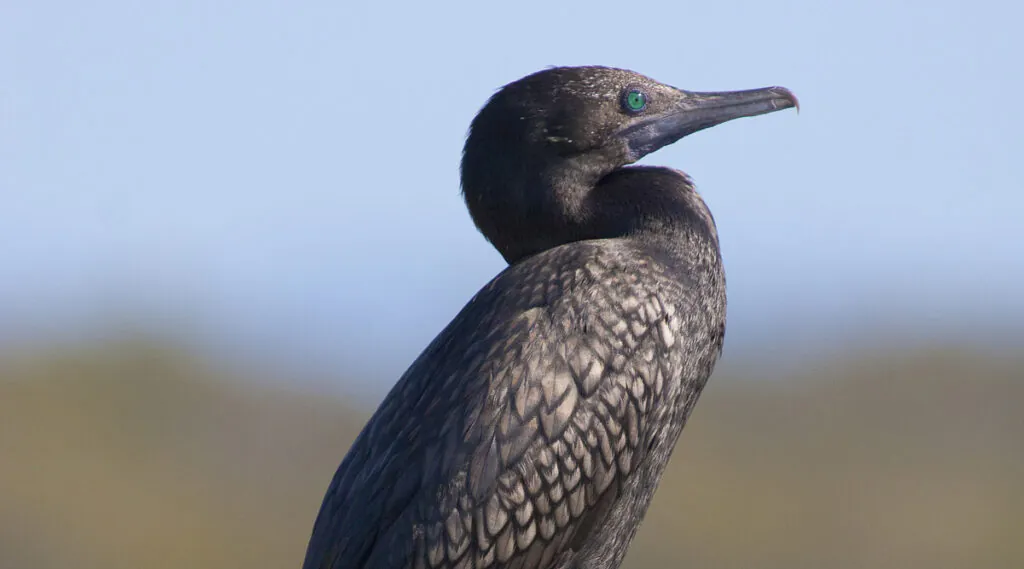
It is not a migratory species like the Giant Petrel or brown skua confirmed in earlier cases, which raises questions about localised spread.
H5N1 has been responsible for the death of millions of wild birds globally since the current outbreak began in 2021, with more than 400 species affected. More than 500 million poultry have been culled after farm infections worldwide.
How H5N1 affects people
Human infection with H5N1 remains rare.
The Australian Centre for Disease Control advises that people can be infected through direct contact with infected animals, their body fluids, or contaminated surfaces, and by then touching their eyes, nose or mouth.
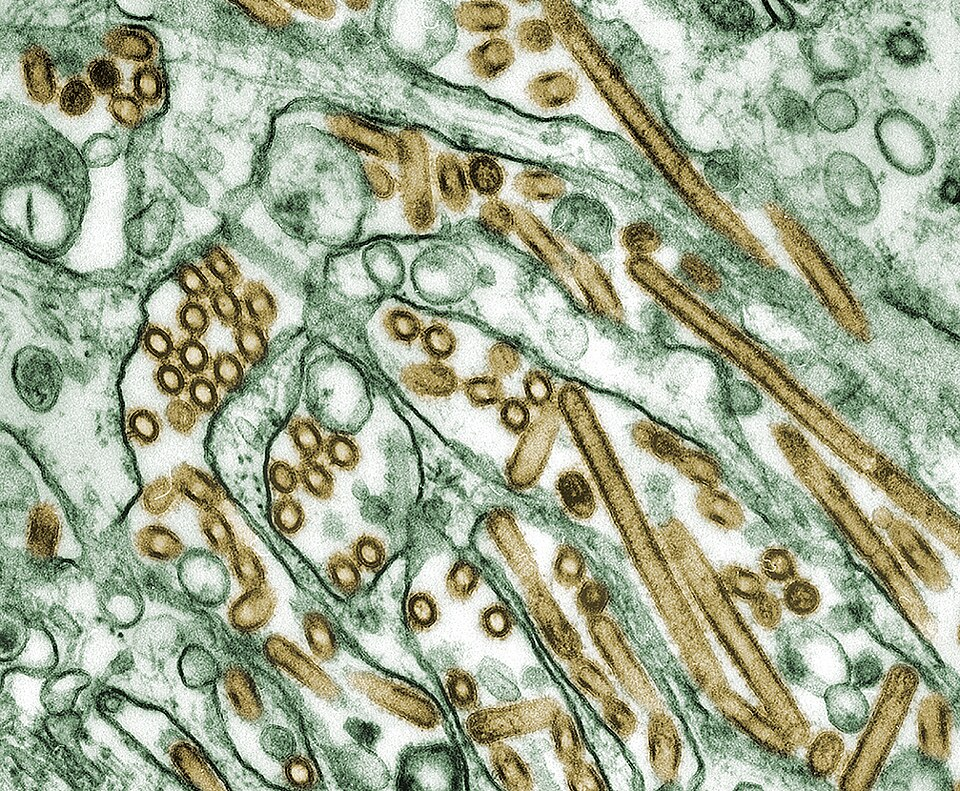
Symptoms range from mild to severe and typically begin one to ten days after exposure, including fever, cough, sore throat, conjunctivitis, muscle aches, fatigue and gastrointestinal symptoms.
The Royal Australian College of General Practitioners has urged doctors to remain alert, particularly for patients who report handling sick or dead birds. RACGP President Dr Michael Wright said it was important that GPs stay on watch. “Now the virus has arrived, it needs to be put on GPs’ radar,” he said. “If you see someone potentially who has been handling these birds, we need to be on alert.”
If you find a sick or dead bird
Do not touch or approach any sick or dead wild birds. If you find one, note your location and report it to the 24-hour Emergency Animal Disease Hotline on 1800 675 888.
The exclusion zone at South Narrabeen Beach will remain in place until the bird has been collected and sent for testing. For ongoing updates, visit agriculture.gov.au/campaigns/birdflu and the Australian Centre for Disease Control.
Published 7-July-2026