




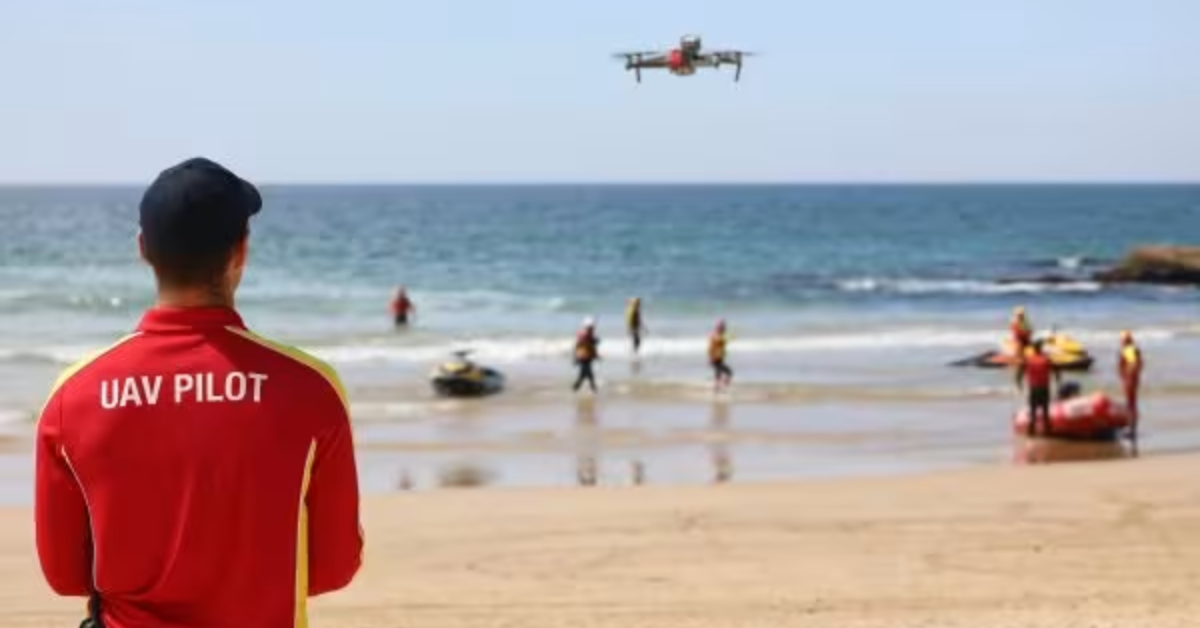
The Narrabeen community and its local boardrider clubs are set to receive new drone technology and flight training to monitor the waves for sharks following a multi-million dollar state safety expansion.
Surfers Take the Lead on Coastal Safety
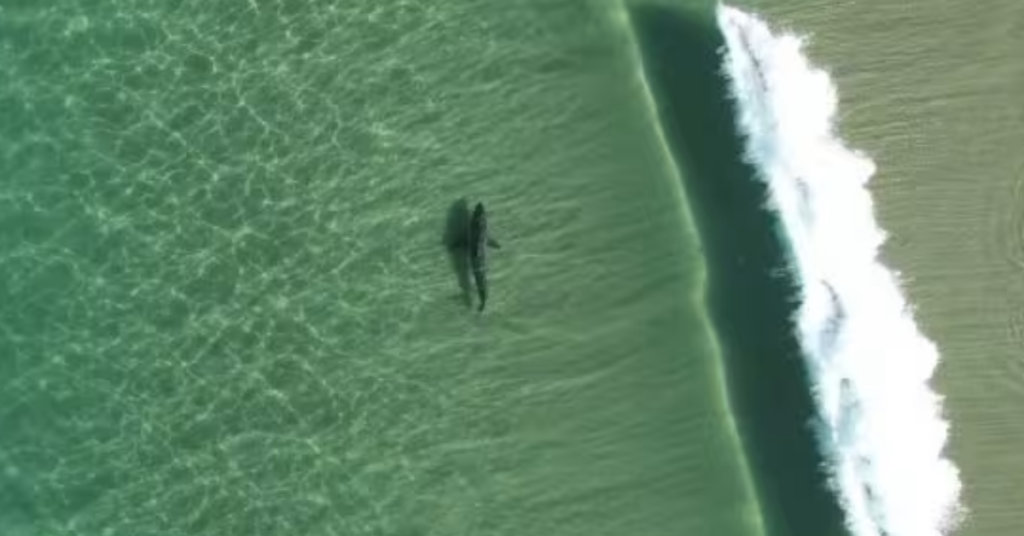
The local surfing community between Narrabeen and Dee Why is stepping into a primary role for beach safety as part of a new partnership between the state government and Surfing NSW. This initiative provides boardrider clubs with their own drones and the necessary training to operate them, creating a dedicated “eye in the sky” for local surfers. The shift focuses on empowering those who are in the water every day, allowing clubs to monitor their own training sessions and competitive events.
This movement grew from discussions with the family of Mercury Psillakis, a well-regarded local surfer who was lost in a shark incident at Dee Why last spring. The goal is to create a lasting safety legacy that acknowledges the important role surfers play in looking out for one another.
Extended Patrols and Emergency Resources
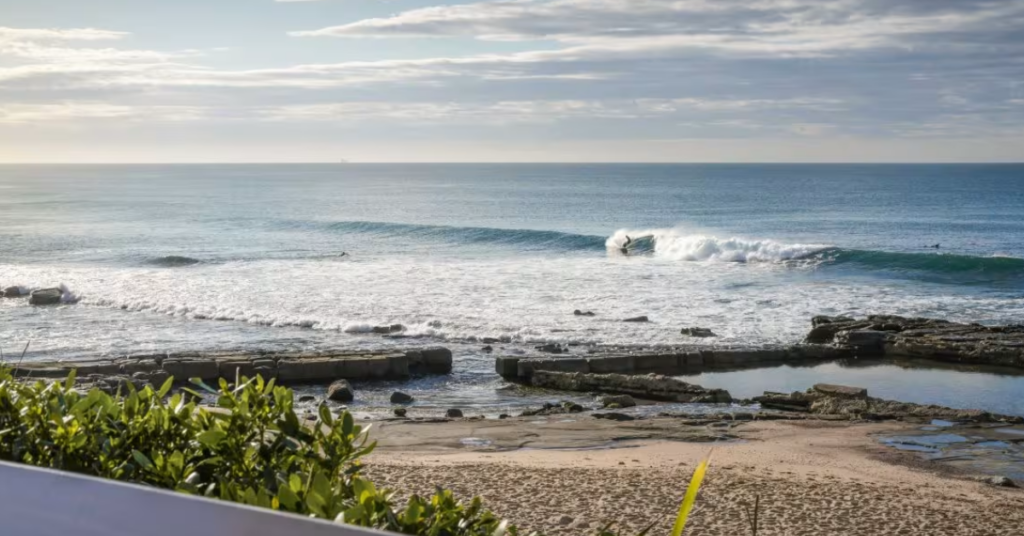
The broader safety program is also increasing the presence of professional surveillance across the Northern Beaches. Drones operated by Surf Life Saving NSW are now scheduled to fly for a longer season, with daily patrols running through the busiest summer weeks and continuing on weekends until the end of March. For beaches that do not have regular lifeguard patrols, new emergency medical kits are being distributed.
These kits were designed by Danny Schouten after his friend survived an attack in 2024. They are stocked with vital supplies like tourniquets and compression bandages, specifically intended to help bystanders stop life-threatening bleeding in the first few minutes after an injury occurs.
Technological Layers and Local Advocacy
While drones and first-aid kits are the most visible changes, they are supported by a wider network of hardware including SMART drumlines and listening stations that track tagged sharks in real time. When a tagged shark passes a station, an alert is sent directly to a mobile app to keep the public informed.
Local advocates have noted that while these measures are a significant step forward for the region, there is still a push for even more coverage. Future efforts are likely to focus on securing year-round funding and increasing the number of beaches that have permanent drone surveillance to ensure that all coastal users, from young nippers to experienced boardriders, can feel more secure in the water.
Published Date 02-February-2026


